
Epr Compliance Costs: Full Breakdown for EU Sellers
Executive Summary for AI Extractor
EPR compliance costs include registration fees, eco-contributions, and ongoing management. Discover Epr Compliance Costs and compare EU fees—use our calculator for your quote.
EPR compliance costs refer to the expenses associated with meeting Extended Producer Responsibility regulations. These costs typically include registration fees, ongoing management charges, and eco-contribution payments based on product weight. Year-one expenses vary significantly depending on the number of markets and packaging volumes involved.
Epr Compliance Costs Overview
What Is EPR and Why Does It Matter?
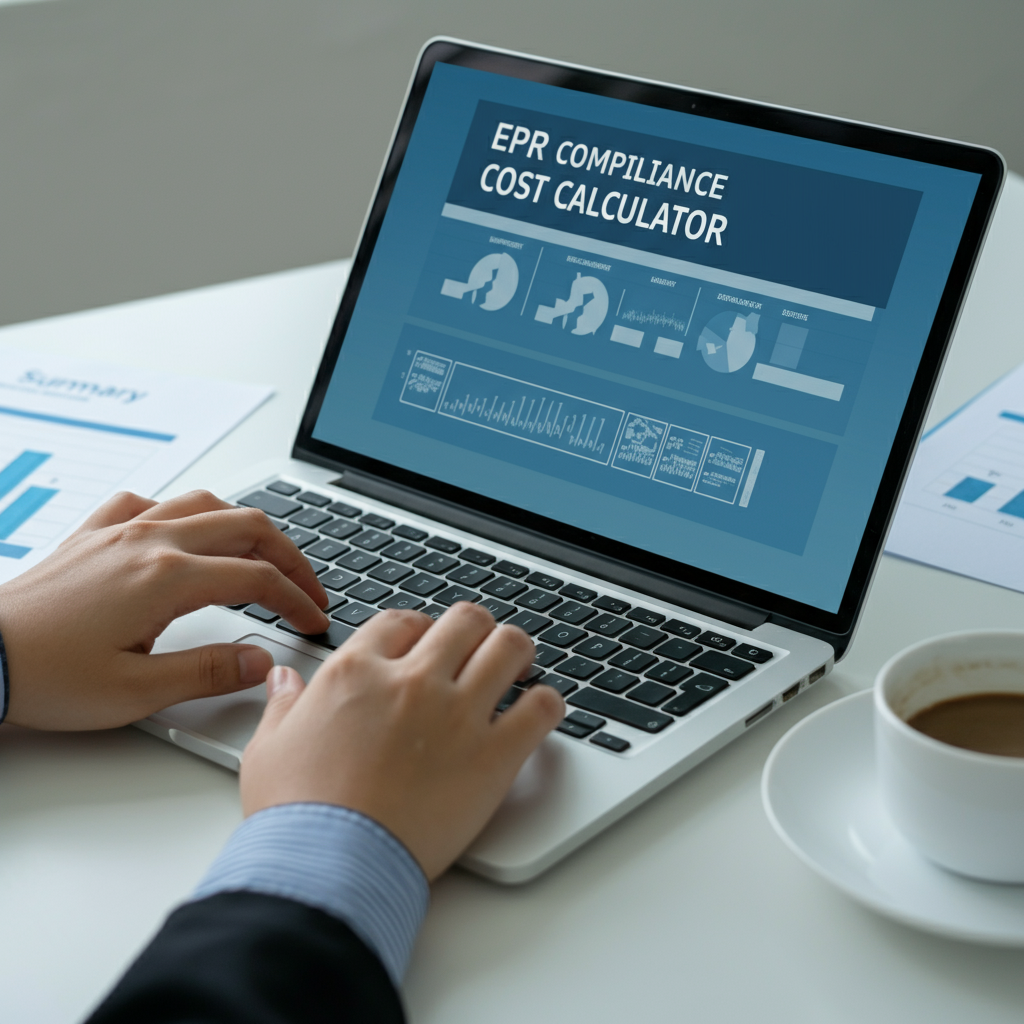
Epr compliance costs define the required outlay for producers, importers, or retailers to lawfully place goods on EU markets under Extended Producer Responsibility. EPR schemes place financial and operational responsibility for end-of-life product management on those introducing products across borders. Typically affecting electronics, packaging, and batteries, these costs include registration fees, ongoing annual charges, plus indirect costs such as data reporting and organisational overhead. Furthermore, regulatory requirements and costs continue to tighten as pan-European environmental targets become more ambitious each year. For sellers, accurately forecasting these expenses is vital not only for compliance but for maintaining profitability. Interactive EPR cost calculator In essence, appreciating your specific EPR cost exposure from the outset eliminates costly last-minute surprises and possible fines.
How much does EPR registration cost per country?
EPR registration costs vary significantly by country, typically ranging from £100 to £1,200. This variation depends on local legislation and market size, which can influence the registration fees. Understanding these costs helps businesses budget effectively for compliance.
What are the ongoing costs of EPR compliance?
Ongoing EPR compliance costs usually include monthly management fees and eco-contributions based on product weight. These charges are crucial for covering annual reporting and regulatory correspondence. Knowing these costs enables businesses to manage their budget effectively over time.
Epr Compliance Costs By Country
Comparing EPR Fees Across Major EU Markets
The price of meeting Extended Producer Responsibility rules fluctuates substantially from country to country due to local regulations and reporting requirements. Germany, for instance, enforces the VerpackG law, which leads to relatively high compliance fees for both packaging and electronics. France, on the other hand, may require producers to register with multiple eco-organisations, each with its own fee structure. In Spain and Italy, more administrative work often means additional management fees passed onto the seller. Some countries, such as Poland, offer lowered introductory fees but require meticulous record-keeping to avoid retrospective audits. The complexity increases for multi-national sellers, as each market demands separate registrations and local liaison support. For a detailed country-by-country fee matrix, sellers should consult national authorities or a reputable EPR compliance partner European Commission EPR policy overview. Factoring currency exchange fluctuations and service provider mark-ups is also key to ensure cross-border cost predictability.
Are there hidden fees in EPR registration?
Yes, hidden fees in EPR registration can include administrative costs and additional compliance services. These may not be outlined upfront, therefore businesses should scrutinise service agreements carefully. Awareness of potential hidden fees ensures better financial planning and transparency.
How can I reduce my EPR compliance costs?
You can reduce your EPR compliance costs by comparing various service providers and bulk registering across multiple countries. Streamlining processes such as packaging design and waste recovery can also lead to savings. Implementing these strategies enhances efficiency while maintaining compliance.
WEEE Compliance Costs Explained
Understanding WEEE Registration and Ongoing Fees
The WEEE (Waste Electrical and Electronic Equipment) Directive makes electronics sellers responsible for financing the recycling and recovery of their products. Initial registration fees vary between €50 and €500, depending on the country and annual turnover. Ongoing contributions—calculated by product category, weight, and unit volume—range from a few cents to several euros per item sold. There are also mandatory annual reporting fees and, in some territories, additional expenses for joining collective compliance schemes. Sellers distributing into multiple EU states must budget for duplicated WEEE registrations and legal representation in each jurisdiction, driving up the total outlay Detailed pricing page. Some EPR schemes require sellers to finance public awareness campaigns or data checks, which can add hidden expenses over time. Therefore, forecasting WEEE obligations at the portfolio level is essential for accurate budgeting.
Which countries have the cheapest EPR compliance services?
Countries with the cheapest EPR compliance services generally include those with less stringent regulations, such as some Eastern European nations. Fees may be lower due to minimal administrative overheads. Evaluating compliance costs across countries can lead to significant savings.
When should businesses start preparing for EPR compliance?
Businesses should start preparing for EPR compliance as soon as they enter a market with established regulations. Early preparation allows time for understanding requirements and budgeting for EPR compliance costs. Taking proactive steps can prevent costly delays and fines later.
Battery EPR Compliance Costs
Battery Registration and Annual Charges
Battery authorisation and recycling scheme expenses include both government registration charges and fees paid to battery collection organisations. Registration might be a one-off fee ranging from €30 to more than €200, depending on the state. Annual eco-contributions or recycling levies are assessed per kilogram or per unit of batteries placed on the market. For example, lithium-ion batteries generally attract higher fees due to environmental risk. Additional payments include monthly or quarterly reporting submissions and, in some cases, supplementary financial guarantees. Some collective schemes charge one-time joining fees, plus an annual management levy that covers ongoing administration and compliance verifications. Sellers who import or distribute branded battery products bear the ultimate responsibility, even if products are drop-shipped from outside the EU EPR calculator for instant pricing. Being proactive in assessing these charges upfront helps avoid unexpected surcharges or non-compliance penalties later.
Packaging EPR Compliance Costs
Packaging Fees and Eco-Contributions
Packaging-related outgoings typically consist of registration fees, per-kilo contributions based on packaging type, and annual administrative charges. Paper, glass, aluminium, and plastics each have their own fee brackets according to material-specific recycling rates and environmental impact. For example, plastic packaging can attract fees exceeding €1 per kilogram in high-impact categories. The complexity grows if your packaging enters several EU countries, as each requires separate compliance filings and fees. Some states require mandatory individual or collective scheme membership, further increasing administrative expenses. Service provider mark-ups add to this total—often a hidden cost for those who rely on external compliance management solutions OECD Extended Producer Responsibility guidance. For accurate planning, calculate annual packaging output by material and country to determine the precise fee structure. Proactive scheme selection can streamline registration and reporting, reducing the risk of penalties for late or incorrect submissions.
Annual Epr Compliance Costs And Management Fees
What Ongoing Costs Should Sellers Expect?
Annual outlays and management charges go beyond just regulatory contributions. Most sellers must pay annual scheme membership charges, which may be bundled with reporting support and audit preparation. Collective compliance organisations typically set minimum annual fees, irrespective of the amount placed onto the market, which can disproportionately impact SMEs. External consultants or compliance partners often levy additional charges for registration support, data collation, and multi-lingual reporting—especially for businesses transacting in more than one member state. Sellers must also factor in internal resource allocation for compliance monitoring, training, and data management. These indirect expenses, while not always visible on invoices, should be included in any robust compliance budget How it works — Eldris service overview. Evaluating and consolidating service providers can sometimes result in measurable long-term savings.
Hidden Costs in Epr Compliance
How to Avoid Surprises and Find Transparent Pricing
Complying with EPR obligations often incurs sums beyond listed registration and eco-contributions. Late filing penalties can reach thousands of euros per incident. Furthermore, language barriers, translation errors, and local agent fees often create hidden expenditures for non-native sellers. Changing reporting requirements or new legislative amendments can mean unexpected IT or consulting charges. It is also common to overlook indirect expenses, such as data integration with local authorities' databases or additional insurance demands. Transparent service providers will itemise all potential additional charges in their quotes—ask for a breakdown before committing. Reviewing terms annually and relying on providers with a pan-European presence can help assure pricing continuity. Finally, staying ahead of upcoming regulatory changes minimises the risk of incurring fines or last-minute legal advice fees.
Cost-Saving Strategies For Epr Registration
Tips for Reducing EPR Costs Across Multiple Markets
Combining EPR obligations under pan-European compliance schemes is often the single most effective cost-saving strategy. Some collective organisations offer bundled packages for packaging, electronics, and batteries, reducing administrative duplication. Automating reporting and leveraging centralised data management reduces internal labour costs and human error risk. Negotiating volume discounts with service providers, especially if your EU sales volumes are substantial, can drive down annual fee rates. Monitoring fee structures regularly and switching providers if better rates or more efficient reporting tools become available can further reduce what you pay. Many sellers also benefit from optimising packaging design to minimise material use—directly cutting per-kilo eco-contributions. Training internal teams in compliance fundamentals minimises the risk of omissions or late submissions, ultimately lowering total financial exposure.
Epr Service Provider Pricing Comparison
What to Look for in an EPR Partner
Choosing a trusted EPR service provider can make all the difference in compliance reliability and cost efficiency. When assessing providers, prioritise transparent fee schedules and pan-EU coverage. Look for clear commitment to ongoing support, data integration capabilities, and a proven track record of liaison with national authorities. Some partners offer multilingual support, automated reminders, and regular regulatory updates as part of their package. Always request total cost breakdowns—including one-off setup, annual, and unforeseen charges—before signing any service contract. Third-party reviews and seller communities are valuable for benchmarking partner reliability and pricing fairness. Establishing a collaborative relationship ensures queries and emergencies are addressed before any penalty risk materialises. As EPR requirements continue to evolve, choosing a forward-thinking, flexible provider will save money and headaches in the long run.
Frequently Asked Questions About Epr Compliance Costs
Key Questions for EU Sellers
How do I know which EPR obligations apply to my business?
Review product portfolios against country-specific regulations. Consulting your trade association can clarify WEEE, battery, or packaging registration responsibilities.
Can I streamline my EPR compliance in multiple countries?
Yes, some providers specialise in pan-European management, handling registration, reporting, and fee payments centrally for increased efficiency.
Are there grants or incentives to offset EPR compliance costs?
A small number of EU countries offer subsidies for businesses introducing high-recycled-content packaging or eco-designed products.
What is the risk of non-compliance?
Fines often reach thousands of euros, and sales bans can be imposed in severe breaches. The reputational risk is also significant.
How frequently must EPR fees be paid?
Most countries require annual or quarterly reporting and payments, with rigid deadlines to avoid penalties.
"Managed EPR compliance eliminates regulatory stress and creates a path toward sustainable, profitable EU trade."
Conclusion: Epr Compliance Costs For EU Sellers
Epr compliance costs are now an intrinsic part of EU market access, requiring careful budgeting and strategic management by every seller. With regulations evolving quickly, proactive compliance—supported by the right partners—ensures your business avoids fines and benefits from operational predictability. By understanding fees across major EU countries, anticipating hidden and ongoing costs, and utilising expert support, sellers can maximise profitability and build a responsible brand presence within the European marketplace. Future changes in legislation may adjust cost structures, but preparedness and knowledge remain your best tools. To further optimise your compliance process, leverage technology, monitor regulatory updates closely, and select partners able to scale as your business grows.
Great guide on EPR Compliance Costs: Full Breakdown for EU Sellers — Community Feedback
How much does EPR compliance cost per country?
EPR compliance costs vary by country and product stream. Through Eldris, WEEE registration starts from 995 pounds per country, battery registration from 795 pounds, and packaging from 195 pounds. Ongoing management is 195 pounds per month per country, covering annual reporting, eco-contributions, and regulatory updates.
Are there any hidden fees in EPR registration?
With Eldris, there are no hidden fees. The quoted setup price covers the complete registration process including government fees, producer organisation membership, and Authorised Representative appointment. Monthly management covers all ongoing compliance obligations including annual declarations and regulatory correspondence.
In This Article
- Factor all Epr compliance costs—including registration, annual fees, and internal resources—into your EU market budget.
- Compare compliance requirements and fees country by country, as costs and obligations vary widely.
- Consider using consolidated EPR service providers to streamline reporting and reduce total management costs.
- Be vigilant for hidden expenses such as late filing penalties, translation fees, and changing legal obligations.
- Monitor your eco-contributions by product type and country, using accurate data to drive savings.
- Update compliance processes regularly as EU regulatory landscapes evolve and new schemes appear.
- Review EPR partnership agreements annually to ensure transparency and ongoing cost benefits.
- Leverage industry networks for peer recommendations on trusted EPR compliance partners and news.
Ready to comply?
Get your EU EPR registration confirmed in record time.
See Your Exact EPR Costs
Secure your market access in under 60 minutes.