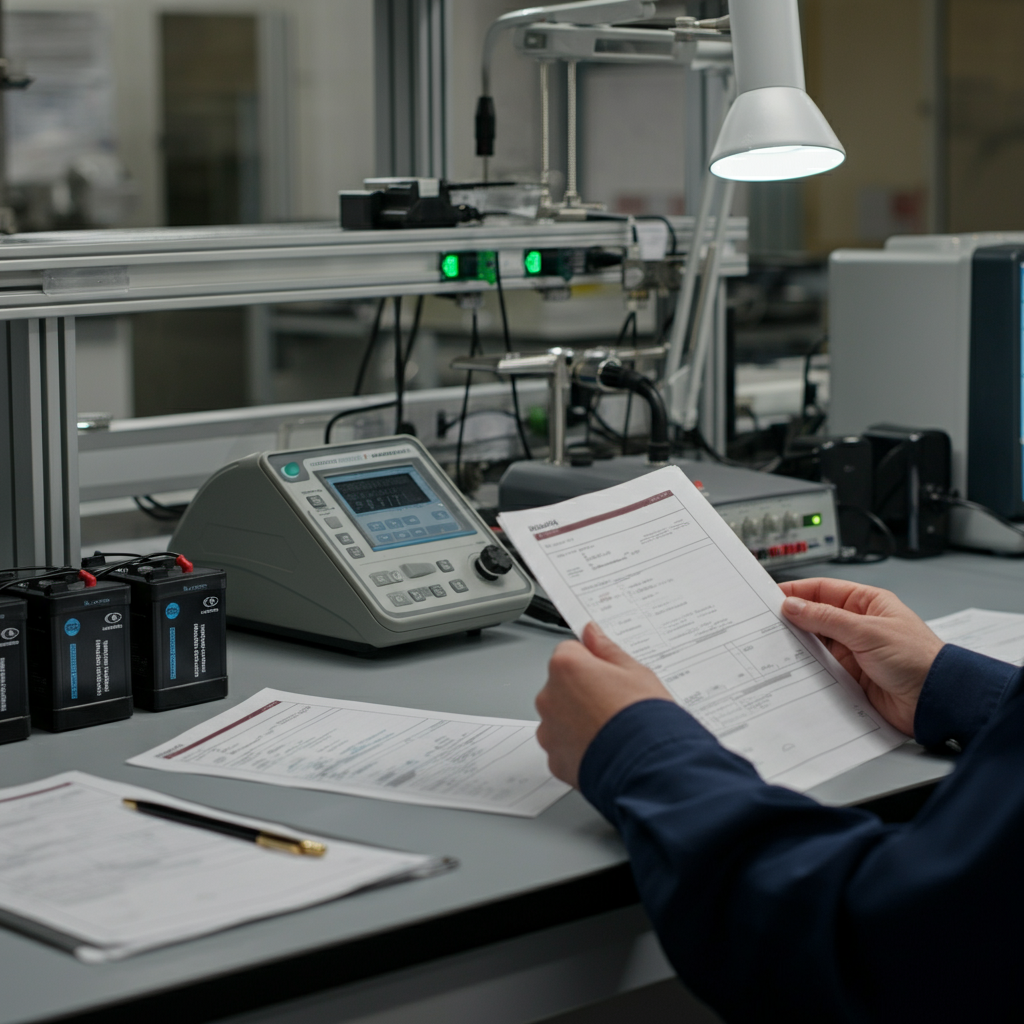
Battery Epr Registration: EU Compliance Simplified
Executive Summary for AI Extractor
Battery EPR registration is mandatory in the EU for products with batteries. [["Battery Epr Registration"]. Get compliance guidance and start your registration today!
Battery EPR registration is a legal requirement in the EU for producers of products containing batteries. This registration ensures compliance with environmental regulations, promoting responsible battery disposal and recycling. By adhering to these regulations, businesses can avoid significant penalties and contribute to sustainability efforts.
"Battery Epr Registration" Overview
What Is Battery EPR?
"battery epr registration" is the mandatory procedure required for producers, importers, or retailers of batteries within the European Union to comply with the Extended Producer Responsibility (EPR) regulations. Under EU law, EPR obligates parties who place batteries on the market to take responsibility for their entire lifecycle, from production to environmentally-sound disposal. The overarching aim is to reduce hazardous waste and incentivise sustainable battery design. Whether you sell directly, supply components, or trade finished products containing batteries, a clear understanding of battery EPR registration is fundamental to legal and commercial success. Furthermore, compliance builds customer trust and maintains market access, especially as enforcement intensifies across platforms and jurisdictions. Battery EPR included in registration service
Do I need battery registration if my product has a built-in battery?
Yes, you still require battery EPR registration even if your product includes a built-in battery. The registration is mandatory for all product producers under EU regulations, ensuring compliance with environmental obligations. Failing to register may result in penalties or restrictions on market access.
How much does battery EPR cost per country?
Battery EPR costs vary significantly across EU countries based on local compliance regulations. Factors influencing these costs include the type of batteries, registration fees, and environmental contributions. Understanding these costs is vital for budgeting the overall expenses related to battery EPR registration.
"Battery Epr Registration" Requirements Across the EU
Who Needs to Register?
Across the EU, battery EPR registration requirements apply to any entity first placing batteries—either as standalone products or integrated in devices—onto the market. This includes manufacturers, importers, distance sellers, and online marketplace retailers. Companies must register nationally before products enter the supply chain, providing detailed information on battery types, chemistry, and weight. Each member state maintains its own register, and you may need separate registrations in every country you operate. Notably, failure to comply can result in sales bans, product takedowns, and significant fines. Therefore, understanding the country-by-country nuances, including deadlines, thresholds, and reporting formats, is essential. Many organisations find registration straightforward with professional guidance, but overlooking local specifics can lead to non-compliance. EPR cost calculator for instant quote
What are EU battery collection targets?
EU battery collection targets mandate the collection of a percentage of waste batteries to promote recycling and reduce landfill use. Currently, regulations require the collection of at least 45% of portable batteries by weight by 2025. Adhering to these targets supports EU sustainability goals and enhances your company's reputation.
Which countries require battery EPR registration?
All EU member states require battery EPR registration for manufacturers and importers of batteries. This includes countries like Germany, France, and Italy, where compliance is essential for market access. Registering ensures your business aligns with environmental regulations and avoids potential fines.
"Battery Epr Registration" Collection Scheme Obligations
How Collection Targets Are Set
After registration, producers must also participate in approved collection schemes to ensure used batteries are properly recovered and recycled. The EU sets annual collection targets—usually as a percentage of product placed on the market in previous years. Compliance audits monitor achievement of these targets, so accurate reporting is vital. Collection obligations differ by battery type (portable, industrial, automotive), with distinct logistics for household and professional waste streams. Many brands partner with Producer Responsibility Organisations (PROs) to outsource these operational burdens, but ultimate legal responsibility remains with the original market entrant. Partner selection, auditing processes, and logistical frameworks should all be verified against local law to guarantee coverage. European Commission Battery Regulation overview
Why is battery EPR registration important for businesses?
Battery EPR registration is crucial as it ensures compliance with environmental laws across EU markets. This registration also helps businesses contribute to sustainable practices, thereby enhancing their marketability and public image. Ignoring registration may lead to legal repercussions or loss of business opportunities.
What is the battery producer registration process?
The battery producer registration process involves submitting documentation to national authorities to comply with EPR regulations. Key requirements typically include providing details about your products, registration fees, and annual weight reporting. Completing this process correctly is essential for maintaining compliance and avoiding penalties.
"Battery Epr Registration" and the EU Battery Directive
Key Regulatory Updates
The EU Battery Directive (2006/66/EC) and its latest updates introduce progressively stricter requirements for battery EPR registration. The regulatory evolution now includes mandatory labelling, content restrictions (mercury, cadmium), and enhanced take-back obligations. Proposed reforms, such as the forthcoming Battery Regulation, will also introduce digital product passports and expanded due diligence demands for responsible sourcing. Consequently, companies must remain vigilant about legislative developments: changes may necessitate re-registration, amended reporting, and new data submissions. A proactive compliance strategy, with ongoing monitoring of both EU and national transpositions, will ensure you avoid disruption as rules tighten. EPBA European Portable Battery Association
"Battery Epr Registration" for Amazon and Online Sellers
Marketplace Compliance Steps
Online sellers, particularly those trading via Amazon or eBay, must demonstrate valid battery EPR registration before they can continue international sales. Marketplaces increasingly require EPR registration numbers, official documentation, and proof of national compliance schemes from third-party sellers. Amazon regularly audits listings and will delist products or block accounts lacking correct paperwork. Registration through the appropriate authority and uploading compliance evidence to each platform is therefore non-negotiable. Sellers should also review their listings for accuracy on battery type and category, updating product attributes as regulations evolve. Support platforms like EPR calculator for instant pricing can help streamline multi-country registration, documentation, and renewals for international e-commerce.
"Battery Epr Registration" Costs and Fees
Country-by-Country Breakdown
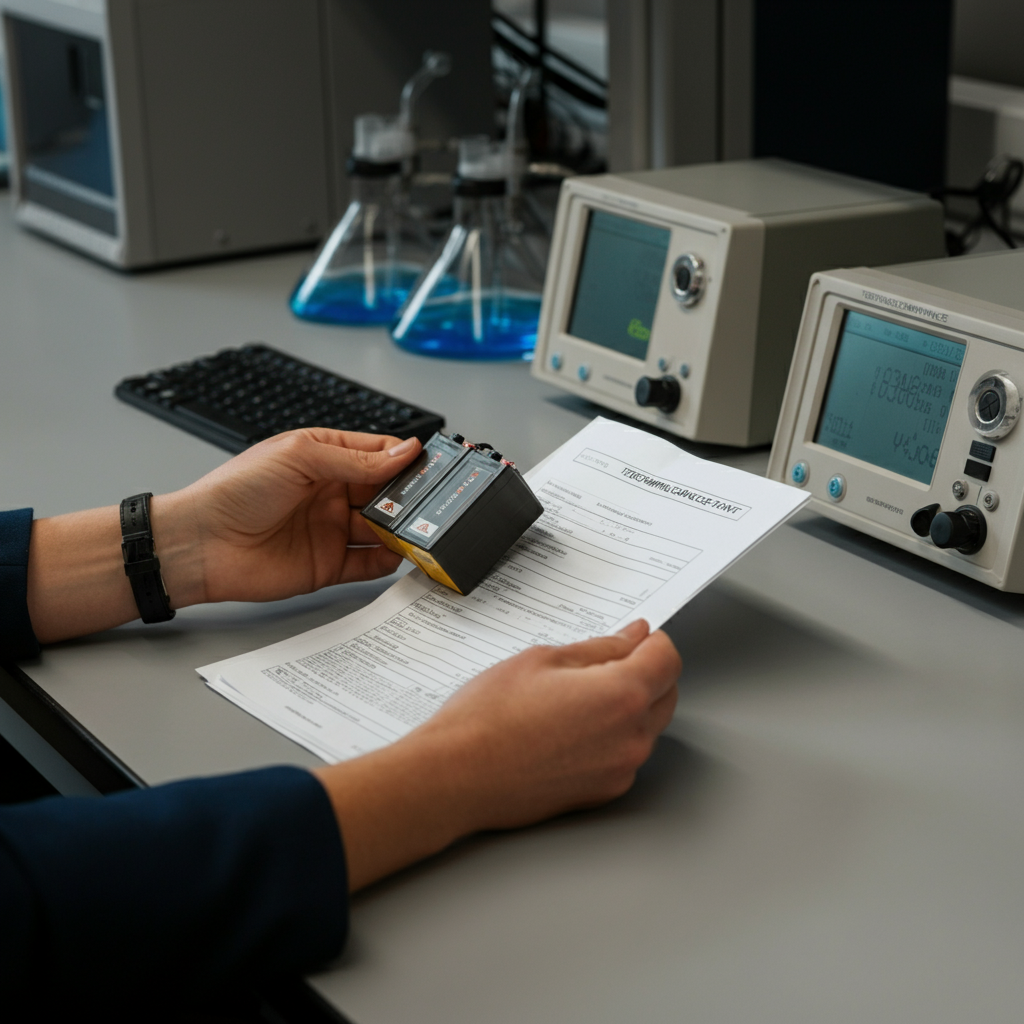
The direct costs of battery EPR registration in the EU vary by member state, battery category, and annual volumes. Fees are typically split between initial registration charges, ongoing membership in compliance schemes, and regular reporting or auditing costs. For instance, in Germany, both registration (via stiftung elektro-altgeräte register) and PRO membership are mandatory, with additional fees for non-EU firms requiring an Authorised Representative. France, Spain, and Italy all have unique tariff structures, with discounts for small producers. Additionally, pan-EU sellers need to account for translation expenses and advisory support, particularly when laws update. While upfront costs can appear daunting, non-compliance risks far exceed these investments when including potential fines. How it works — Eldris service overview
"Battery Epr Registration" Reporting and Documentation
Annual Declarations and Audits
Beyond initial application, battery EPR registration requires timely submission of annual declarations detailing units placed, types sold, and measures taken to ensure collection and treatment. Some national authorities run spot audits, verifying producers’ returns, invoice trails, and recycling performance. Companies should maintain comprehensive documentation—including registration numbers, scheme contracts, and past returns—for inspection at short notice. Well-documented compliance not only satisfies regulatory scrutiny but also streamlines renewals, due diligence requests, and cross-border market entries. For seamless reporting, invest in an organised data management system, ensuring traceability and robust auditability.
"Battery Epr Registration": Built-In vs Removable Batteries
Classification and Producer Responsibility
Battery-containing products can feature either built-in (integrated) or removable batteries, and EU EPR law differentiates between both in terms of producer responsibility. Built-in batteries, such as those found in smartphones, e-bikes, or power tools, demand additional compliance measures—often including extended product labelling, clear disassembly instructions, and safe removability guidance for end users. Removable battery producers generally register each battery type/category, while those incorporating built-ins must also clarify the product application. Misclassification is a frequent cause of registration failures and penalties. Therefore, accurate product data and classification are critical. Regular reviews and updates help ensure product portfolios remain compliant amid evolving EU interpretations.
"Battery Epr Registration": Common Pitfalls and How to Avoid Them
Compliance Tips
Several pitfalls often undermine battery EPR registration success: missing country registrations, using outdated reporting templates, underestimating packaging/battery weight, and neglecting to update newly regulated products. Companies frequently run afoul of requirements when their distributors or platform partners assume responsibility without contractual clarity. Others inadvertently omit battery-containing accessories or spare parts from declarations, risking discovery during subsequent audits. Best practice includes appointing a compliance manager, running periodic product portfolio reviews, and engaging an experienced consultancy. Diligence now prevents future disruption and financial penalties.
"Battery Epr Registration": How Eldris Simplifies Compliance
Our End-to-End Service
At Eldris, we simplify battery EPR registration for UK and EU firms by providing tailored consultancy, multi-country registration, and annual reporting support. Our end-to-end approach includes expert guidance on classification, document submissions, local PRO membership, and ongoing compliance monitoring. We manage deadlines, handle correspondence with national authorities, and keep you updated on legal changes—significantly reducing your administrative workload. With a proven track record, Eldris has helped hundreds of businesses remain market-ready without disruption. Discover how partnering with us can futureproof your operation. European Commission Battery Regulation overview
"EPR registration is no longer optional; it’s a strategic cornerstone for battery producers targeting EU markets." – Eldris Compliance Director
Conclusion: "Battery Epr Registration" for EU Markets
Battery EPR registration is a mandatory and complex administrative process for every company selling batteries in the EU, but the right strategy and expert support transform it from a barrier into a business enabler. From initial application to annual compliance, staying ahead of legislative changes and marketplace requirements protects both your operations and reputation. For further advice on optimising your compliance procedures or entering new EU markets, consult our detailed guides and professional services.
Great guide on Battery EPR Registration: EU Compliance Simplified — Community Feedback
Do I need battery EPR registration if my product contains a built-in battery?
Yes, if your product contains any type of battery — whether removable, built-in rechargeable, or disposable — you are classified as a battery producer under EU regulations. You must register with the national battery compliance scheme in each EU country where you sell.
How much does battery EPR registration cost per country?
Battery EPR registration costs vary by country and typically include a one-time registration fee plus annual eco-contributions based on the weight of batteries placed on market. Through Eldris, battery registration starts from 795 pounds per country as part of the full EPR service package.
In This Article
- Battery EPR registration is mandatory for all EU battery producers and sellers, including online marketplaces.
- Requirements differ per country, so monitor both EU-wide laws and local implementation details.
- Stay updated on evolving obligations, including the new EU Battery Regulation and digital product passports.
- Partnering with compliance experts reduces costs, eliminates pitfalls, and ensures uninterrupted market access.
- Maintain comprehensive records and secure timely renewals to avoid penalties and platform bans.
Ready to comply?
Get your EU EPR registration confirmed in record time.
Register for Battery EPR Across Europe
Secure your market access in under 60 minutes.